

Starting a school is a big dream. Many people want to help children learn and grow. They want to build a place that shapes the future. However, running a school is not easy.
Many schools struggle within a few years. Some even close down. Others survive but never grow. So, why do many schools fail? Let’s look at the common reasons — and how school owners can avoid them.
A school does not fail because of a lack of students; it fails because of a lack of systems.
1. Lack of proper planning
First, many schools start without a clear plan. Some founders only focus on opening classrooms, but forget the business side of running a school. For example, some schools do not study the market; others do not check the demand in their area. Because of this, they face problems later.
A good plan helps school owners understand their costs, target parents and competition. Therefore, planning should come before opening the school.
2. Poor financial management
 Money problems cause many schools to fail. Some schools struggle to collect fees; others spend money without tracking expenses. As a result, cash flow becomes a problem. Salaries, rent and supplies must be paid every month — when fees come late, the school begins to struggle.
For this reason, schools need clear financial systems. Tools like Flexi School Software help schools track fees, manage records and reduce mistakes, so school owners can manage their finances better.
3. Weak school administration
Many schools still use manual records — attendance in notebooks, student records on paper. Records get lost, errors happen easily and finding information is slow, so school work becomes stressful. Modern schools use organised systems and digital tools, such as a school management system, to manage their data.
4. Poor marketing and visibility
Some school owners believe parents will find them automatically. That rarely happens today. Most parents search online before choosing a school — they check websites, social media pages and reviews. Schools without online visibility often struggle to attract students. Successful schools promote their services and show what makes them special.
5. Resistance to technology
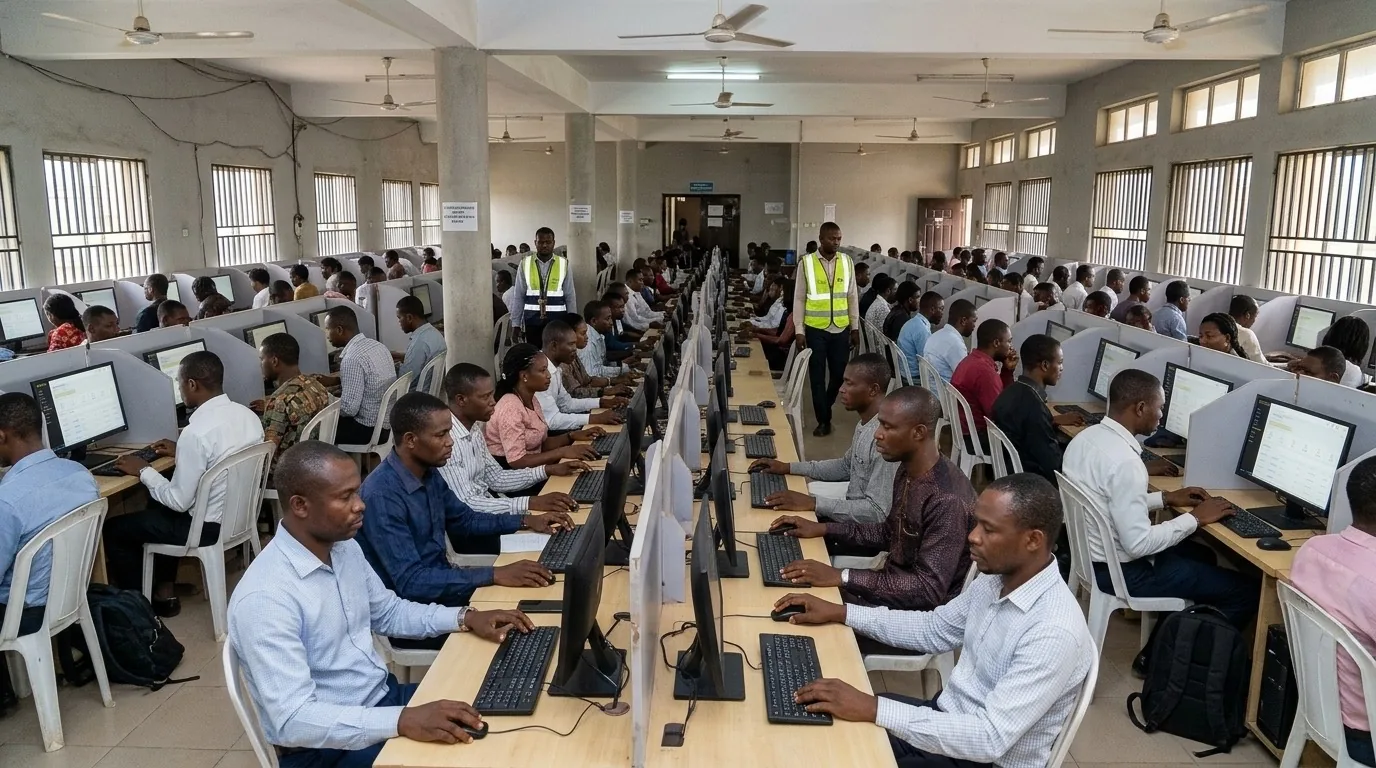
 Technology has changed education, yet some schools still avoid digital tools. Without technology, preparing reports or checking records can take hours. In contrast, schools that use technology work faster — they manage student records, communicate with parents and track progress easily. Even examinations are moving online: CBT software lets schools run computer-based tests and publish results instantly.
6. Hiring the wrong staff
Teachers are the heart of every school. When schools hire mainly to save money, teaching quality may drop — and parents notice quickly. Successful schools hire skilled teachers, support their growth and provide training and guidance. When teachers perform well, students learn better.
7. Weak leadership
When leadership is unclear, staff become confused, rules change often and discipline weakens. Strong leadership creates order: good leaders set clear goals and guide teachers and staff, so the school runs smoothly.
8. Poor parent communication
Parents want to stay informed about their children. When they do not receive updates about progress, trust becomes weak. Successful schools communicate often — they send updates, listen to feedback and build strong relationships, often through a parent portal.
9. No growth strategy
Many schools focus only on surviving the current term. Strong schools plan for more students, better facilities and improved teaching, and invest in systems that support growth. Because of this, they stay competitive.
Final thoughts
Schools rarely fail because of one major mistake. Instead, failure usually happens due to several small problems over time — and these problems can be prevented. With proper planning, strong leadership, good financial management and modern systems, schools can grow successfully. In the end, the schools that succeed are the ones that combine passion for education with smart management.
Ready to break the cycle?
Give your school the systems it needs to grow. See Flexi School Software — admissions, fees, attendance, results and parent communication in one place.


2 Comments
Leave a comment
Share your thoughts or ask a question. Your e-mail address will not be published.